
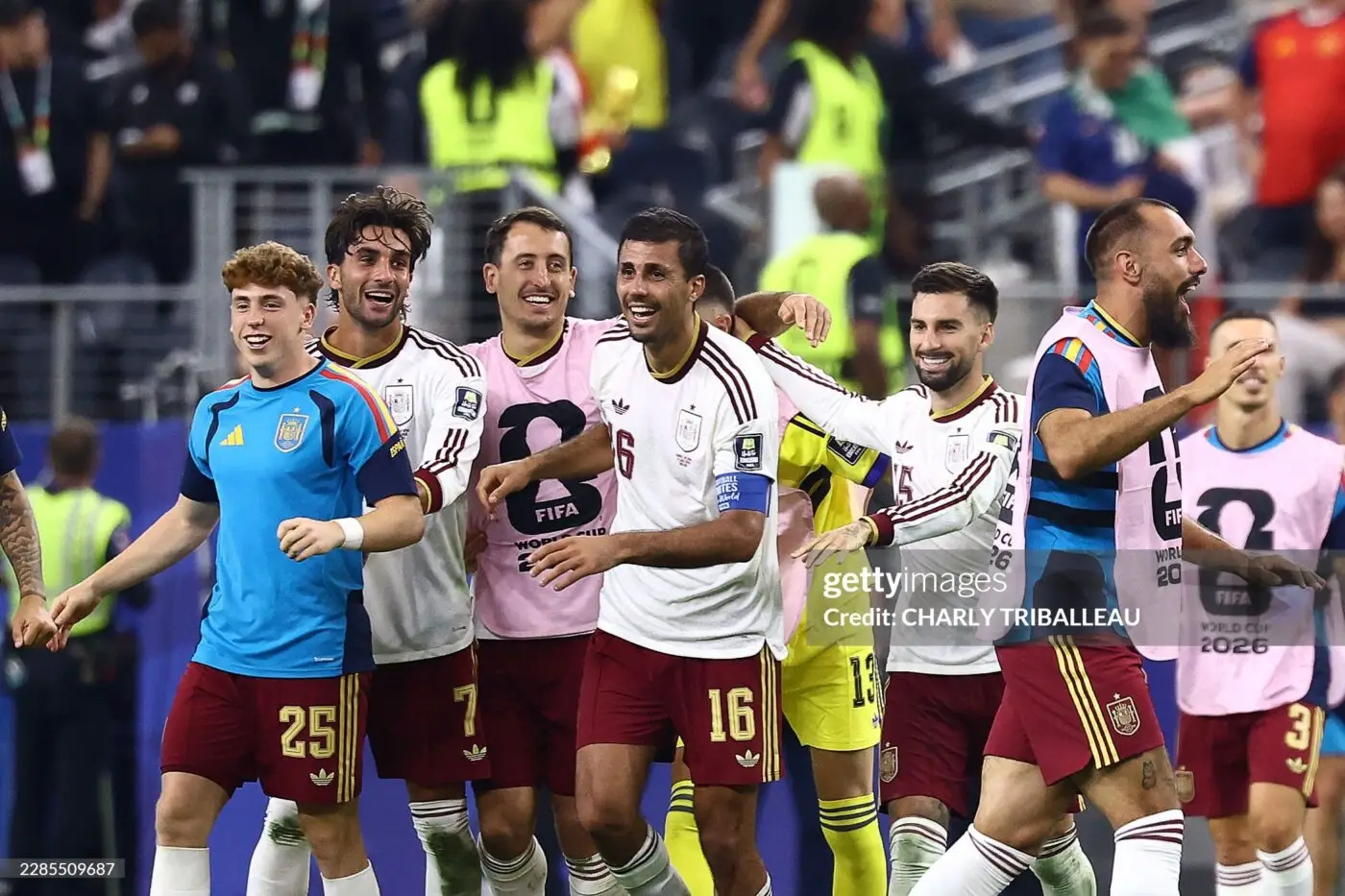
Spain are heading to the World Cup 2026 final after a controlled 2-0 win over France, a result built less on chaos or individual magic and more on tactical clarity, collective confidence and complete control of the match rhythm.
France arrived in the semi-final with one of the most dangerous attacking groups in the tournament. Kylian Mbappe, Ousmane Dembele, Michael Olise and Bradley Barcola gave them enough pace and skill to hurt any defence. Yet against Spain, those names were mostly reduced to isolated moments and frustrated runs.
This was not a night when France simply collapsed. It was a night when Spain prevented them from playing the game they wanted. La Roja kept possession, controlled the tempo, closed passing lanes quickly and forced France to chase the ball far more often than they could attack Unai Simon’s goal.
Spain did not just beat France — they controlled them
The 2-0 scoreline tells only part of the story. The bigger message was the authority of Spain’s performance. Luis de la Fuente’s side looked comfortable with the ball, disciplined without it and mature enough to manage the emotional weight of a World Cup semi-final.
Spain 2-0 France
51% – 49%
3
Control
Mbappe struggled to find space. Dembele was rushed into mistakes. France’s midfield found it difficult to connect the back line with the forwards. Whenever Didier Deschamps’ team tried to accelerate, Spain slowed the game down again and pulled the match back into their own structure.
Yamal pressure forces the first big mistake
The opening goal came from the penalty spot after Lucas Digne fouled Lamine Yamal. France may feel there were details in the move worth debating, but the larger pattern was clear: Spain had been applying pressure for long stretches before the mistake arrived.
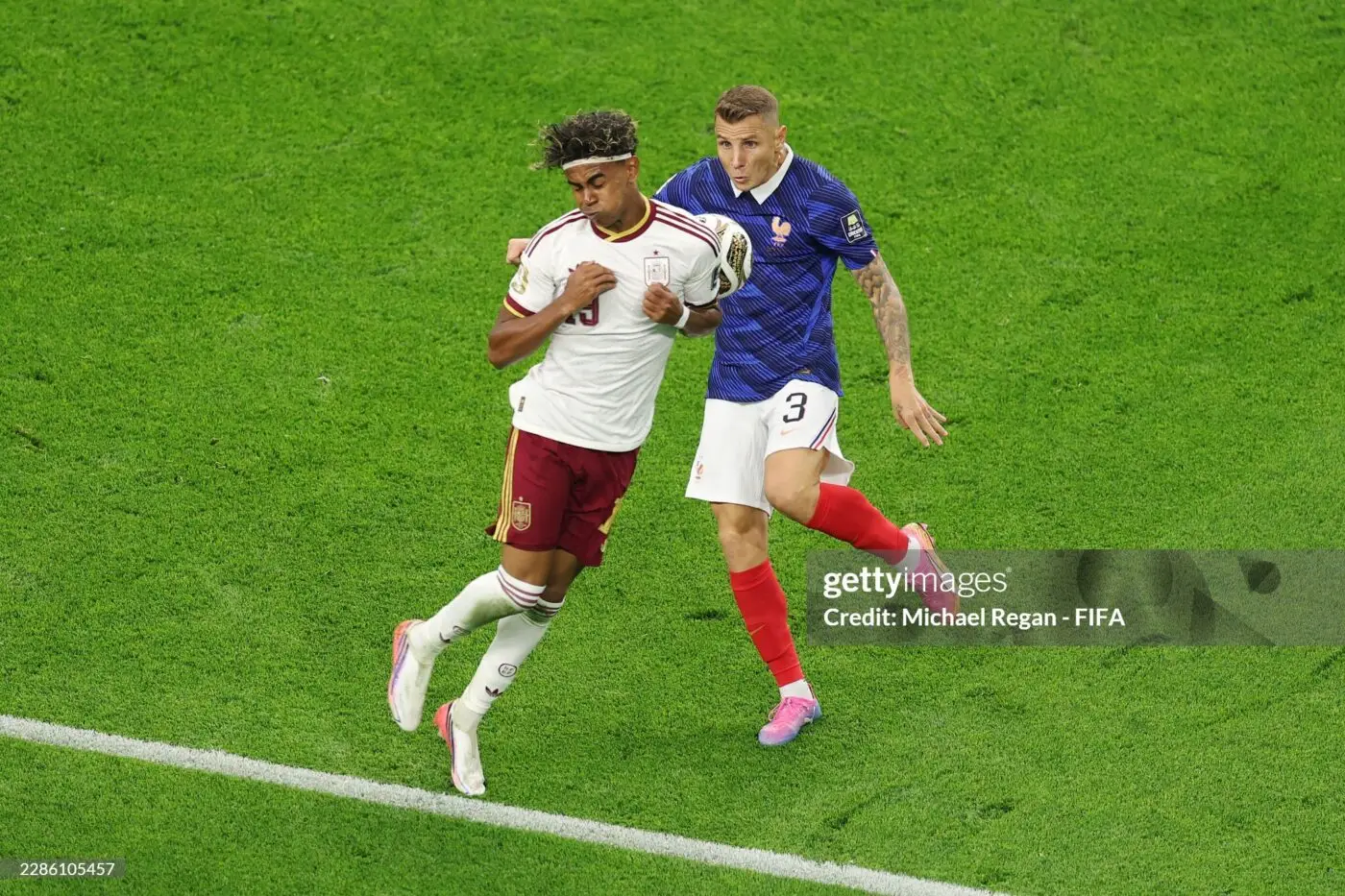
Yamal’s threat on the right forced France to defend deeper and react faster. Digne’s challenge was not an isolated accident; it was the result of Spain repeatedly pushing the French defence into uncomfortable zones. When a team has to defend under pressure for long enough, small errors become much more likely.
Mikel Oyarzabal converted calmly, but Spain’s reaction after scoring was just as important as the finish itself. They did not retreat into a low block or try to survive. Instead, they kept the ball, kept pressing and continued to make France run.
Spain’s strength is the system, not one superstar
The most impressive part of the performance was how many Spain players influenced the match. Yamal stretched the right side. Dani Olmo linked attacks with intelligence. Rodri and Fabian Ruiz helped Spain control midfield spaces. Pedro Porro provided energy on the flank. Oyarzabal scored, pressed and kept France’s centre-backs busy.
France were forced to protect the flank instead of launching clean transitions.
Rodri and Fabian Ruiz kept Spain connected and prevented panic.
Oyarzabal and Olmo helped Spain defend from the front.
That collective identity separated Spain from France. France still waited for a moment of individual brilliance from Mbappe or another forward. Spain created their advantage through combinations, spacing and constant support around the ball.
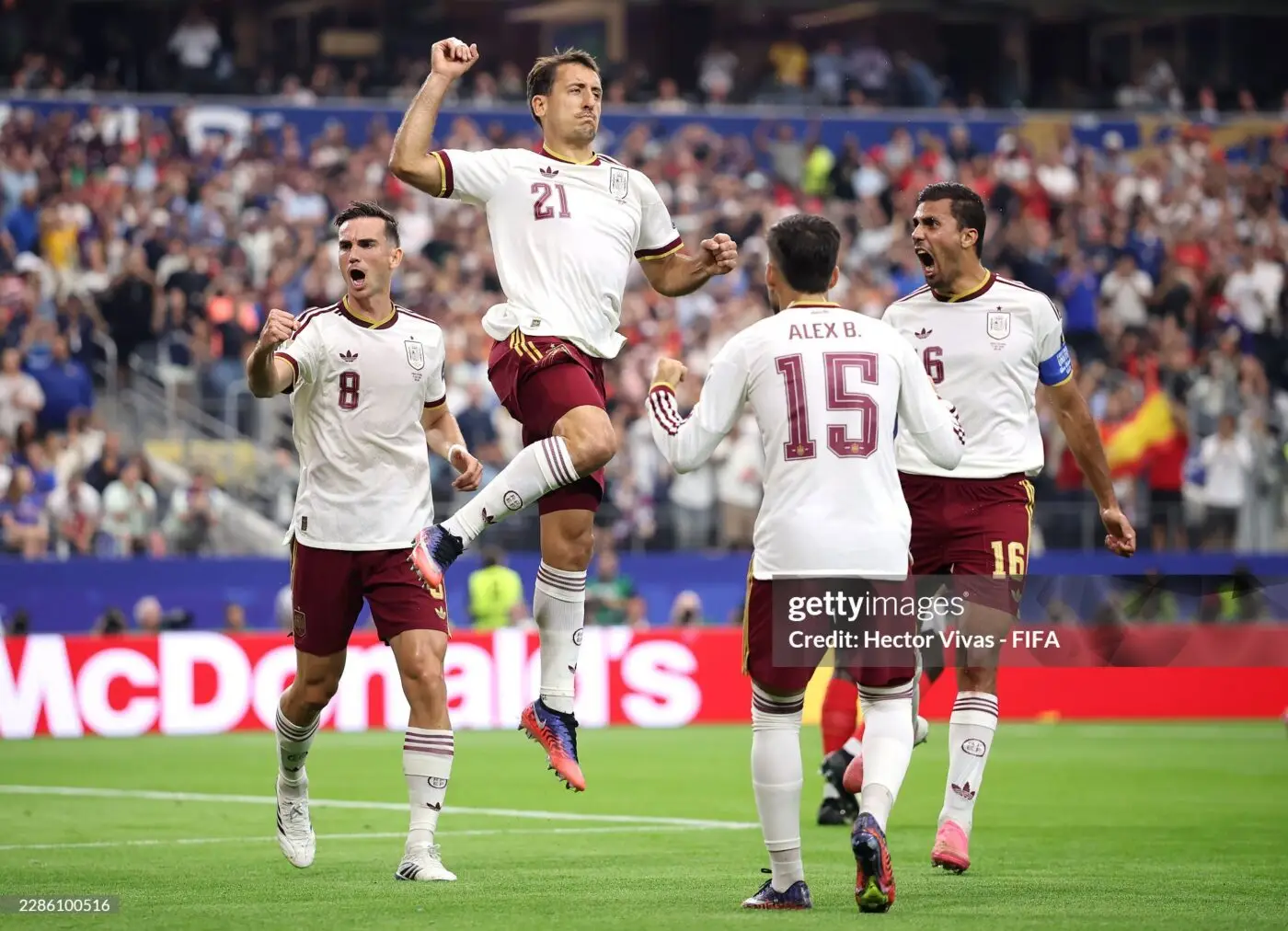
The second goal summed it up. It was not a solo run or a single flash of genius. It came from a coordinated move, precise timing and the confidence of players who understood where the next pass should go. Pedro Porro’s attacking contribution reflected the balance of a team where every role is connected.
France had talent, Spain had answers
Deschamps had options on the pitch and on the bench, including players capable of changing a game quickly. But Spain’s structure reduced the value of those weapons. The French forwards received the ball too far from goal, often with a defender already close and limited support nearby.
France still produced shots and forced saves, but they rarely built the kind of pressure that makes a comeback feel inevitable. Spain’s calmness after every French push was one of the clearest signs that De la Fuente’s team has grown into a genuine title favourite.
De la Fuente’s Spain look ready for the final
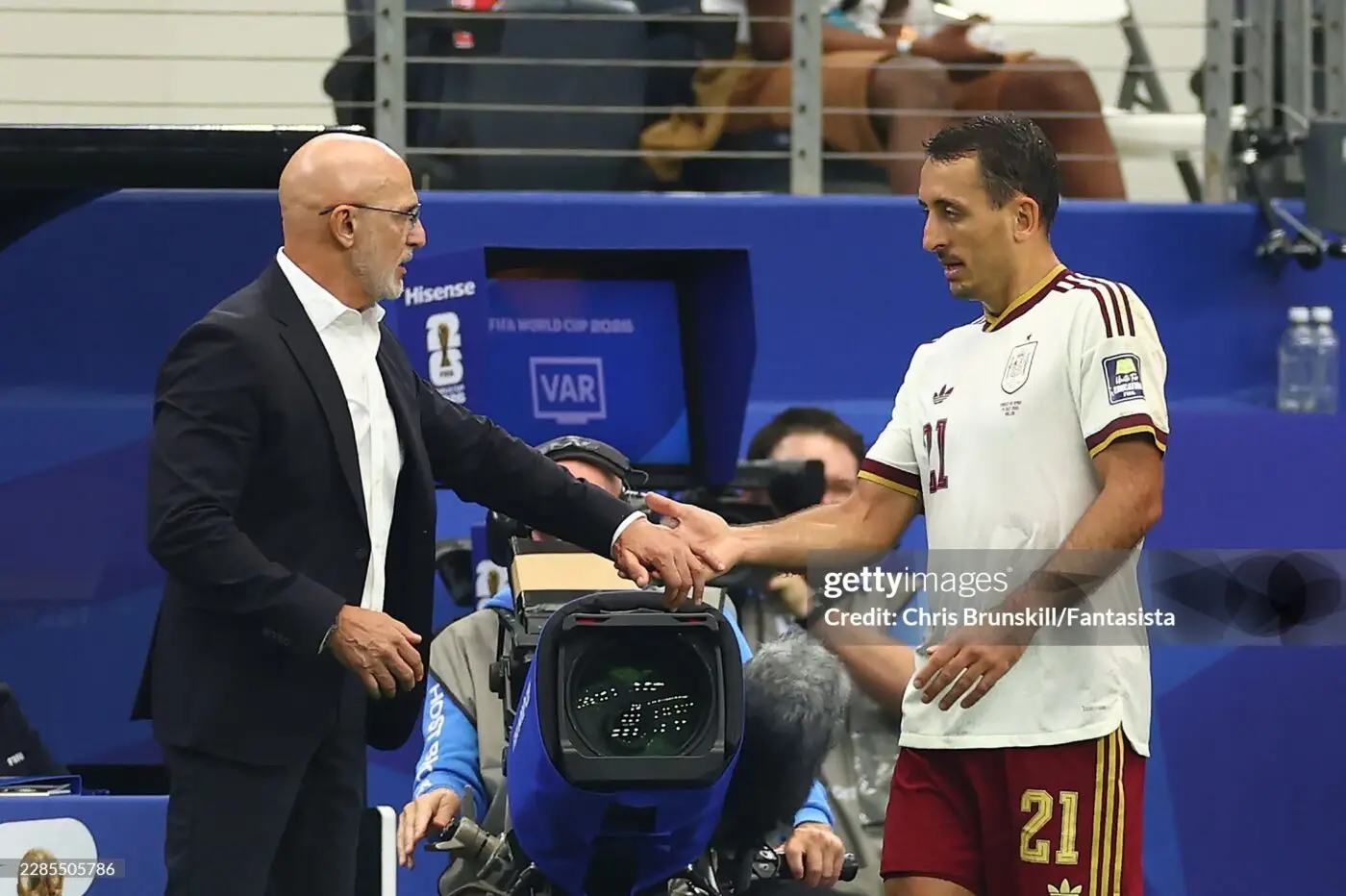
Spain’s route to the final now feels like more than a run of results. They have beaten elite opponents while showing a style that travels well: patient possession, aggressive counter-pressing, wide threat, midfield control and enough defensive discipline to protect leads without becoming passive.
Whether the final brings England or Argentina, Spain will enter with enormous belief. They are not just winning matches; they are making difficult matches look manageable. That is usually the mark of a team playing with both confidence and tactical maturity.
Spain’s biggest advantage is not only form. It is balance: enough talent to decide matches, enough structure to control them, and enough belief to keep attacking even after taking the lead.
Sixteen years after Spain’s historic 2010 triumph, La Roja are one step away from another golden chapter. After the way they handled France, it would be hard to call a Spanish title a surprise. It would feel like the natural ending for one of the most complete teams at World Cup 2026.
Source: 24h.com.vn
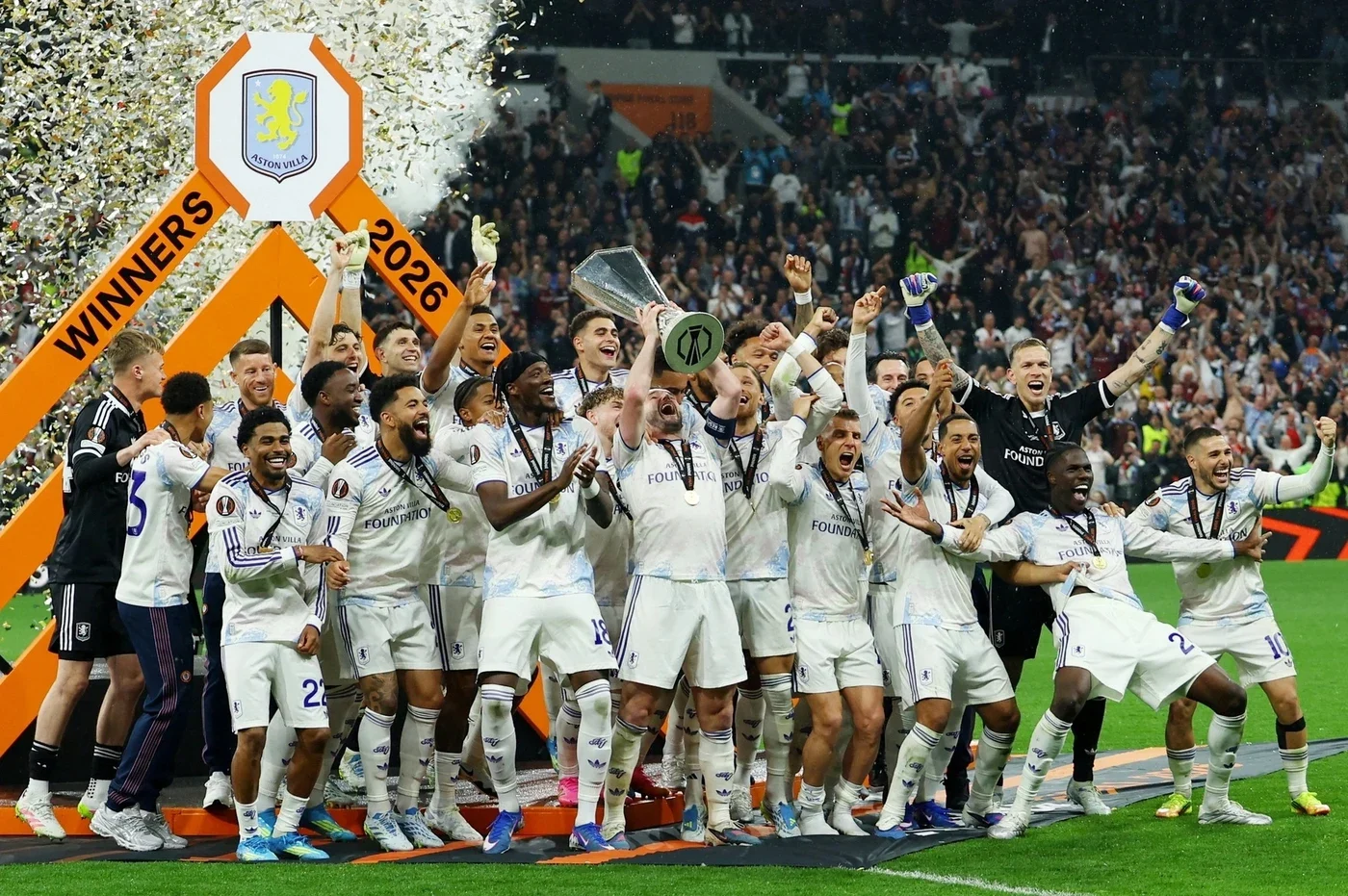 UEFA Super Cup 2026 Preview: PSG vs Aston Villa in Salzburg
 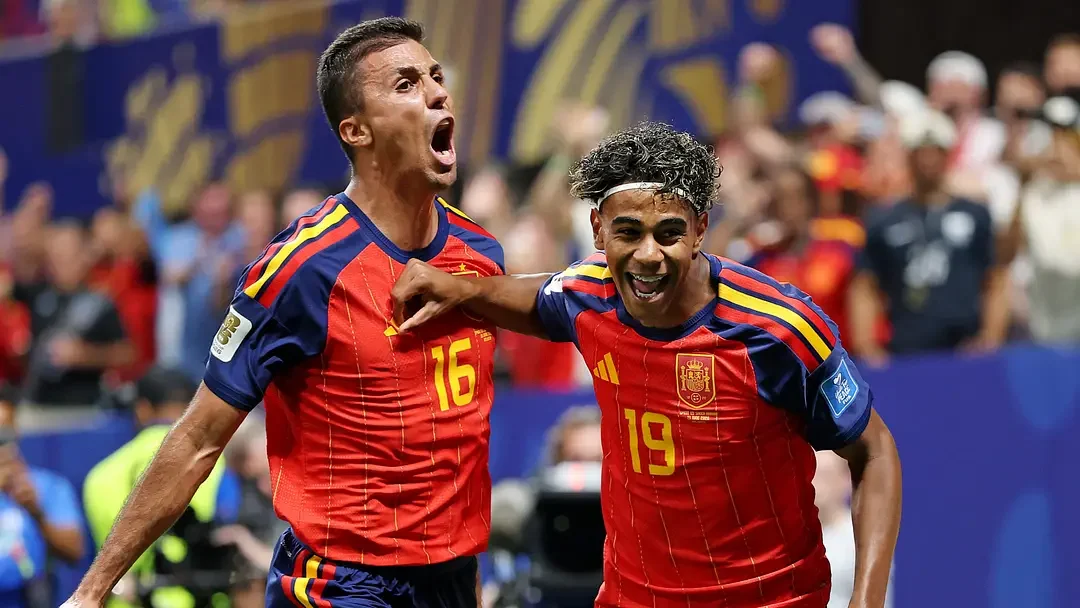 Ballon d’Or 2026 Race: Rodri Leads as Yamal, Messi and Kane Chase
 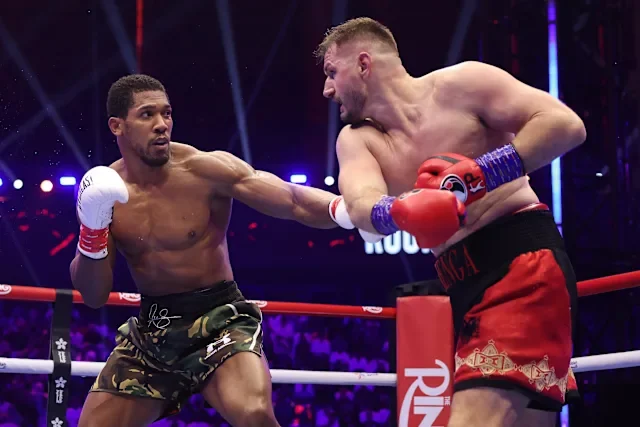 Anthony Joshua Defeats Kristian Prenga via Second Round KO – Comeback Victory Sets Up Tyson Fury Showdown
 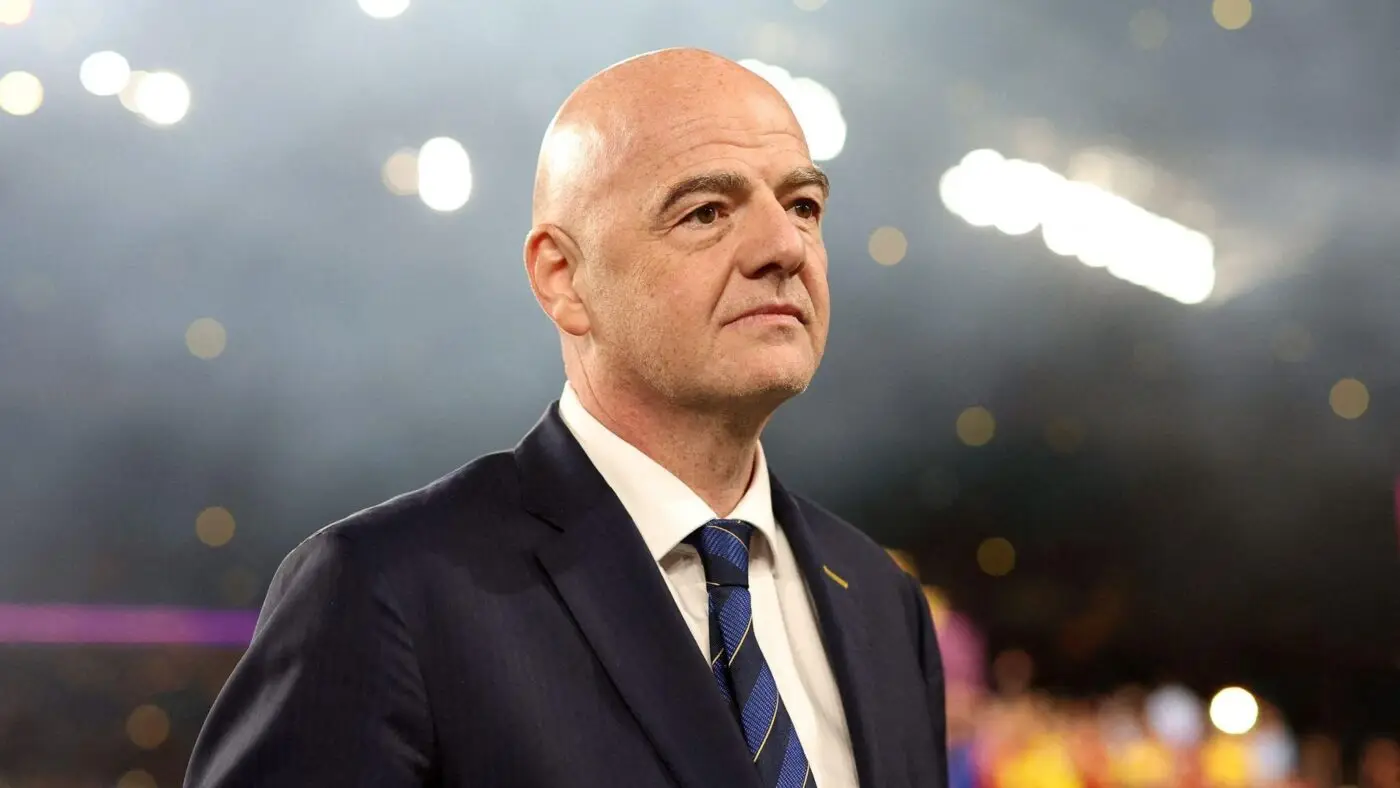 FIFA’s World Cup Investment Plan Faces Collapse as 96 Nations Push Back
  Declan Rice Set to Return as England Prepare for Argentina and Messi Showdown
  Messi Leads World Cup 2026 Golden Boot Race as Mbappé and Haaland Chase