
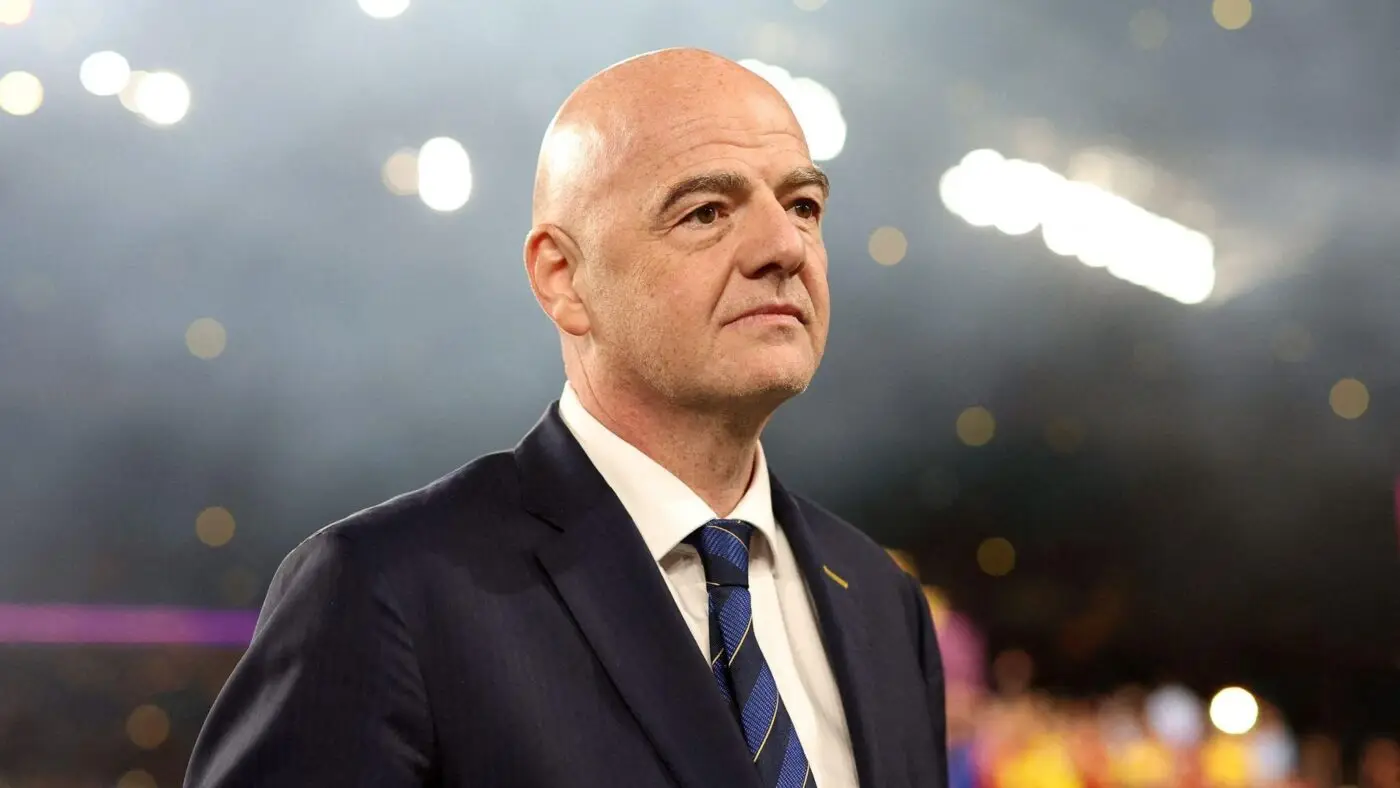
FIFA president Gianni Infantino’s reported plan to bring private investors into the World Cup and other FIFA competitions is facing a major political backlash, with 96 member associations now opposing the idea.
The proposal, according to the Vietnamese outlet 24h, would involve selling a stake or commercial control linked to the World Cup and several other FIFA-run tournaments to unnamed investors. FIFA is said to have offered each national federation around $40 million if it supported the plan.
But what may have looked like a huge financial opportunity has quickly turned into a governance crisis. UEFA and Concacaf have both rejected the proposal, arguing that football’s biggest tournament should remain under the control of the game’s public sporting institutions, not private investment groups.
UEFA draws a hard line: “The World Cup is not for sale”
UEFA has become the loudest force against the proposal. In its latest statement, European football’s governing body said all 55 of its member associations had agreed to firmly reject FIFA’s plan.
That wording matters. UEFA is not simply questioning the financial terms of the deal; it is challenging the principle behind it. For Europe’s federations, the World Cup’s value comes from its status as a global sporting institution, not from how much outside capital it can attract.
Threat of a boycott raises the stakes
UEFA’s response went further than a symbolic rejection. The confederation warned that its national teams would not take part in FIFA competitions while such proposals remain on the table, unless FIFA completely withdraws them and gives binding assurances that private ownership will not be introduced into its governance or tournaments.
If that position holds, the consequences would be enormous. A World Cup without European national teams would be commercially and sporting-wise unthinkable, which gives UEFA’s opposition significant weight inside FIFA politics.
Concacaf joins the opposition
Concacaf — the confederation covering North America, Central America and the Caribbean — has also rejected the proposal. Its 41 members said football must remain the priority and raised concerns about how quickly the plan was being pushed forward.
The confederation questioned the lack of proper review, the short response timeline and the absence of approval from FIFA’s appropriate governing bodies. It also asked why FIFA would need private investment to fund future programs after staging the most profitable World Cup in history.
Why this could collapse before it starts
FIFA has 211 member associations. With 96 already against the plan, opposition is approaching half of the entire voting base. If more federations from South America, Africa, Asia or Oceania join the pushback, Infantino’s project could become politically impossible to pass.
The bigger battle is about control. Supporters may see private capital as a way to expand revenue and development funding, but critics fear it would permanently change who has influence over football’s most powerful asset.
For now, the message from UEFA and Concacaf is clear: the World Cup can generate money, but it should not become something that investors can buy.
Source checked and rewritten from: 24h.com.vn. Image captions intentionally omitted.
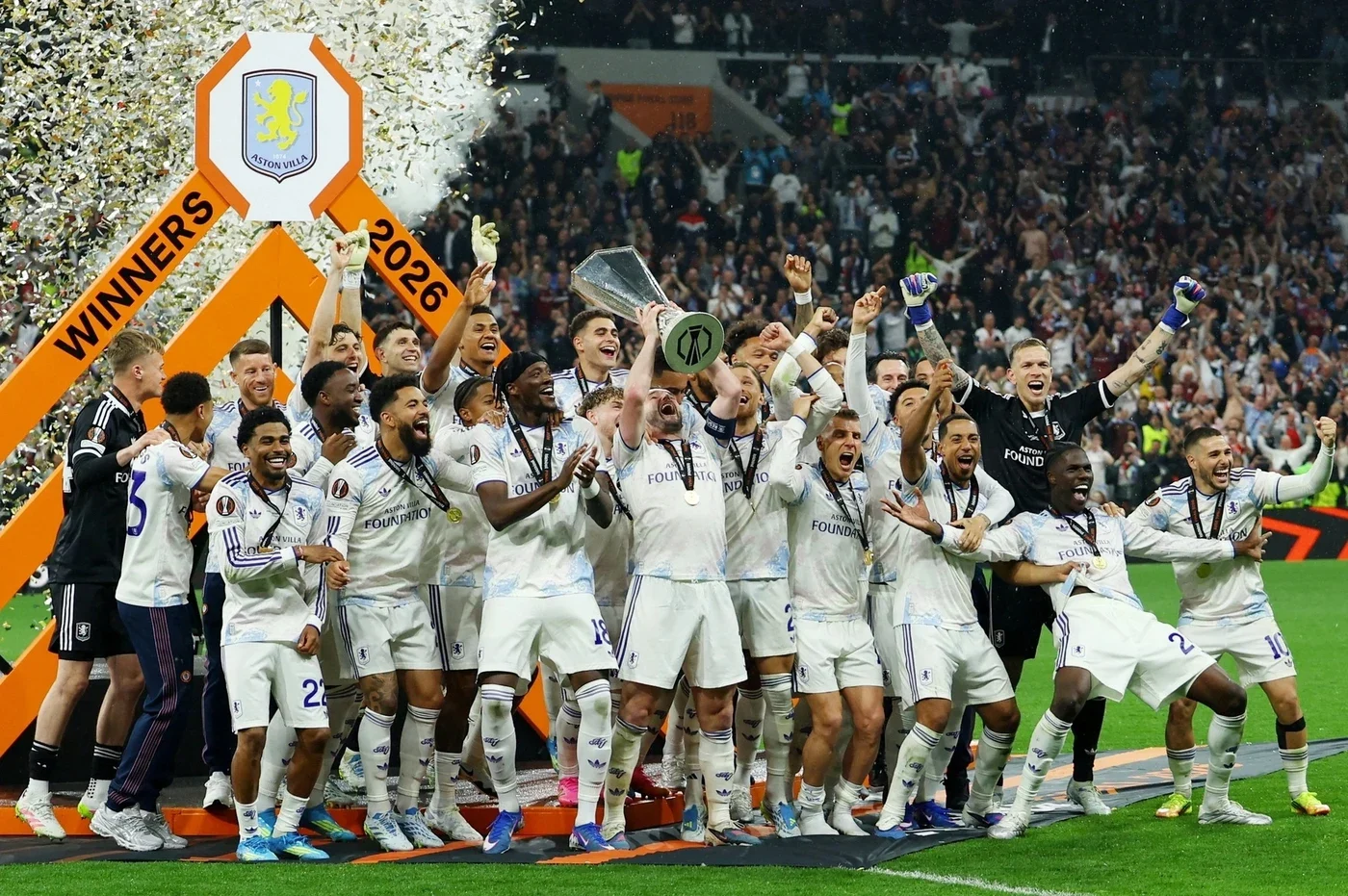 UEFA Super Cup 2026 Preview: PSG vs Aston Villa in Salzburg
 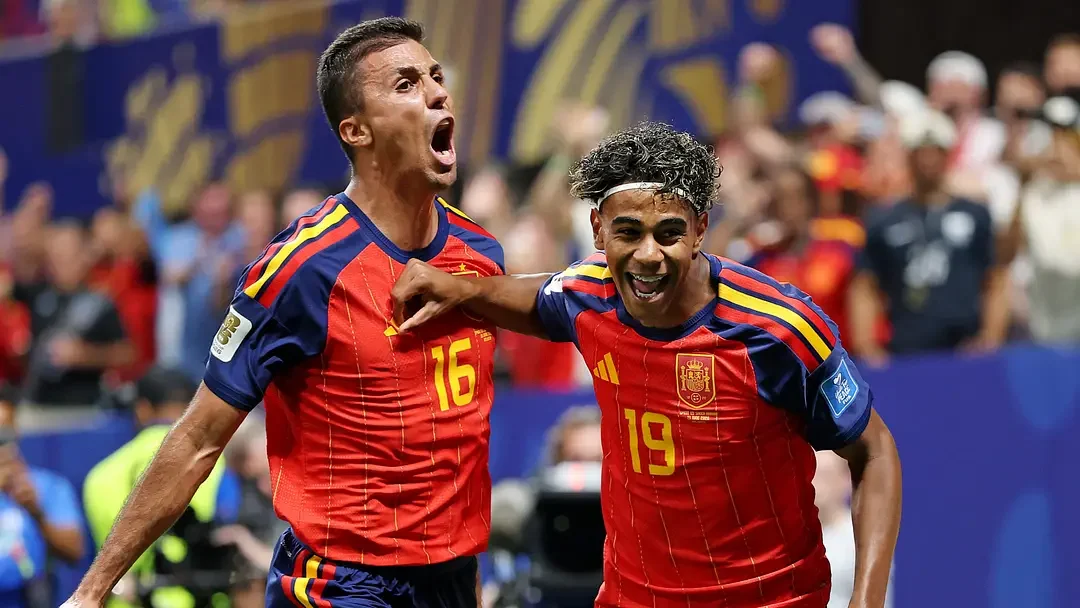 Ballon d’Or 2026 Race: Rodri Leads as Yamal, Messi and Kane Chase
 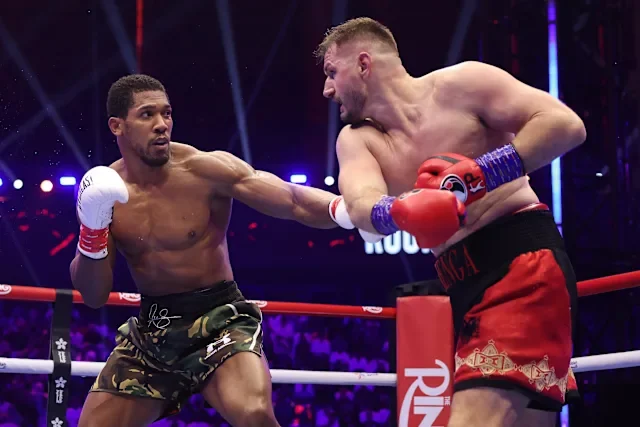 Anthony Joshua Defeats Kristian Prenga via Second Round KO – Comeback Victory Sets Up Tyson Fury Showdown
 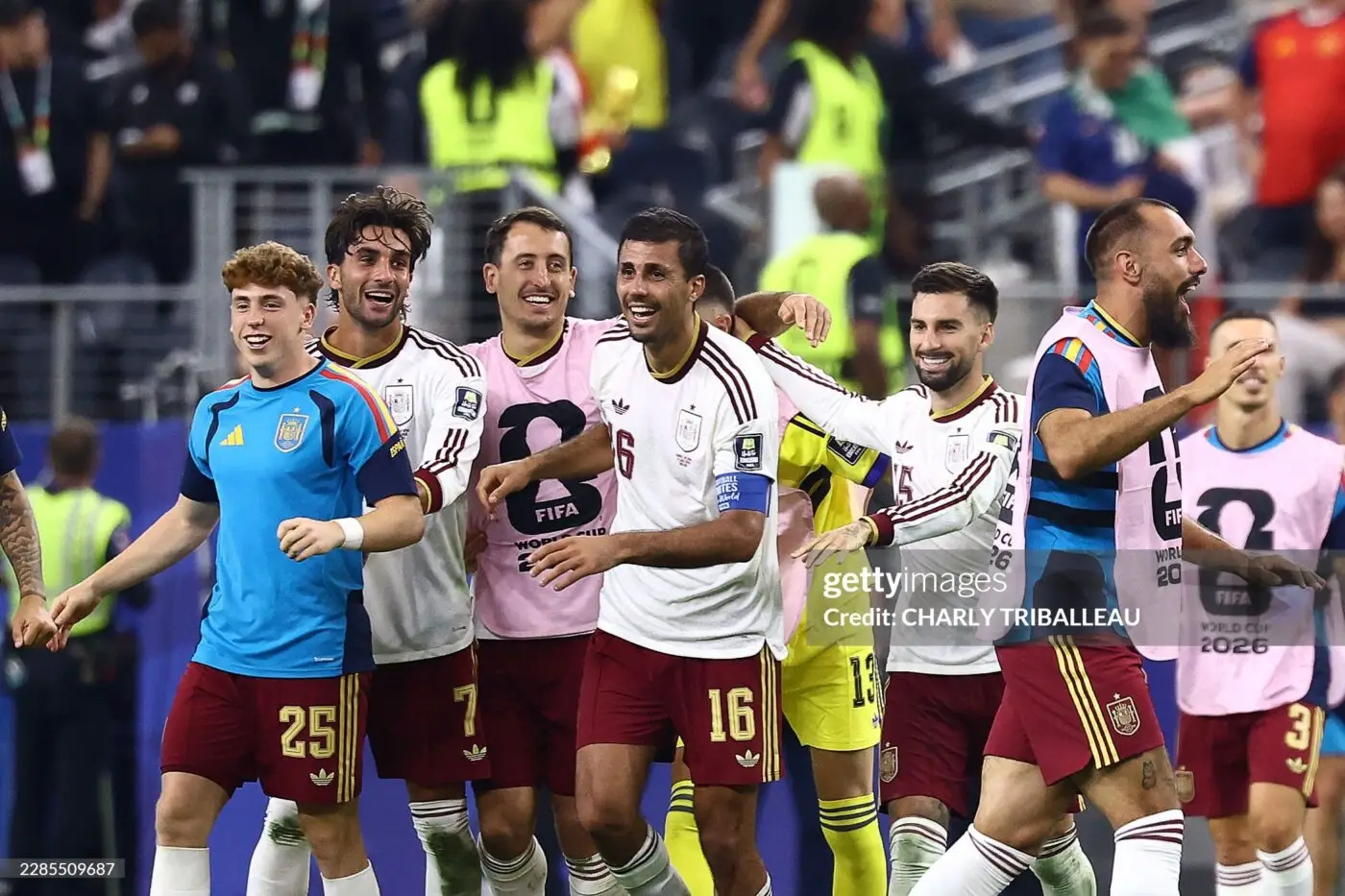 Spain Outclass France to Reach World Cup Final as Yamal and De La Fuente’s System Shine
 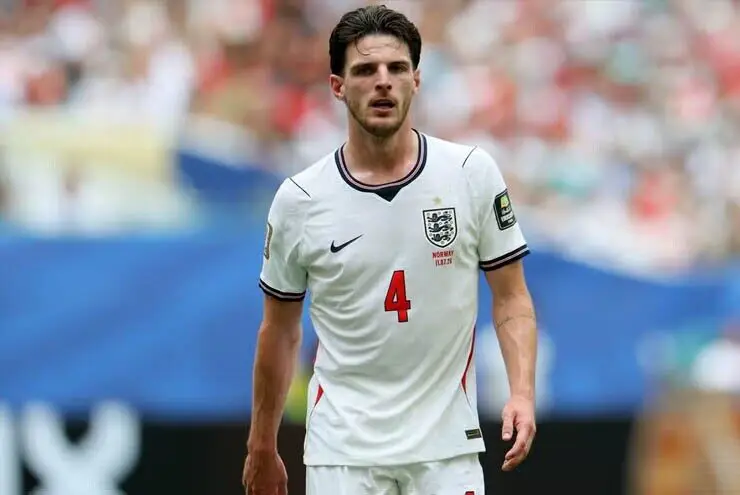 Declan Rice Set to Return as England Prepare for Argentina and Messi Showdown
 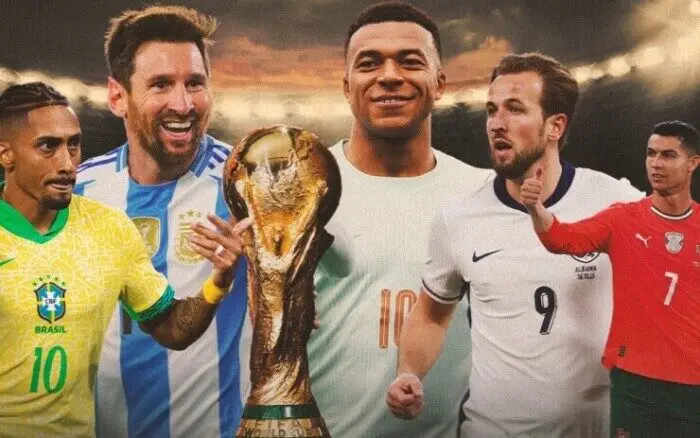 Messi Leads World Cup 2026 Golden Boot Race as Mbappé and Haaland Chase